
In today’s hyper-connected digital world, scammers have refined their craft to an alarming degree of sophistication. Their most powerful weapon isn’t technology—it’s the psychological pressure they create through manufactured urgency.

Every day, thousands of people fall victim to scams that exploit our natural human responses to time pressure and fear. Understanding how these tactics work is your first line of defense against financial loss and emotional distress. This comprehensive guide will help you recognize, resist, and report the urgency tactics that scammers use to separate you from your hard-earned money.
🚨 The Psychology Behind Urgency Tactics
Scammers are master manipulators who understand human psychology better than most marketing professionals. They know that when people feel rushed, their critical thinking abilities diminish significantly. This phenomenon, known as “cognitive overload,” occurs when our brains are forced to make quick decisions without adequate time for analysis.
When faced with urgent demands, our bodies release stress hormones like cortisol and adrenaline. These chemicals trigger our fight-or-flight response, pushing us toward immediate action rather than careful consideration. Scammers deliberately create scenarios that activate this biological response, knowing it clouds judgment and makes victims more compliant.
The scarcity principle also plays a crucial role. When we believe an opportunity is limited or disappearing, we assign it greater value—even if we weren’t interested before. This psychological trick has been used in legitimate marketing for decades, but scammers have weaponized it for criminal purposes.
Common Urgency Phrases That Should Trigger Your Alarm 🔔
Recognizing the language of urgency is essential for protecting yourself. Scammers use predictable phrases and tactics across various platforms and schemes. Here are the red flags that should immediately raise your suspicion:
- “Act now or lose your account!” – Legitimate companies rarely threaten immediate account closure without multiple warnings
- “This offer expires in the next 10 minutes!” – Artificial deadlines designed to prevent you from researching or consulting others
- “Your refund is waiting, click here immediately!” – Government agencies and legitimate businesses don’t operate this way
- “We’ve detected suspicious activity—verify now!” – Real security alerts follow established protocols, not panic-inducing messages
- “You’ve won a prize, but must claim it within 24 hours!” – Legitimate prizes don’t evaporate if you don’t claim them instantly
- “Your loved one is in danger and needs money right away!” – Emergency scams exploit our protective instincts
The Most Prevalent Scam Types Using Urgency Tactics
Tech Support Scams That Create Panic
One of the most common scams involves fake tech support representatives claiming your computer has been infected with a virus or has been compromised. These scammers often display pop-up warnings that appear legitimate, complete with countdown timers and flashing alerts designed to induce panic.
The caller or message insists you must act immediately to prevent data loss, identity theft, or system failure. They may claim to be from Microsoft, Apple, or your internet service provider. The urgency is manufactured to prevent you from closing the pop-up, researching the company, or asking someone knowledgeable for advice.
IRS and Government Impersonation Schemes
Tax-related scams spike during filing season but occur year-round. Scammers impersonate IRS agents, police officers, or other government officials, claiming you owe back taxes, have missed jury duty, or have outstanding warrants. They demand immediate payment through unconventional methods like gift cards, cryptocurrency, or wire transfers.
The urgency tactic here involves threats of arrest, deportation, license suspension, or legal action if you don’t pay within hours. These scammers may even spoof official phone numbers to appear legitimate. Remember: real government agencies send official written notices and never demand immediate payment through untraceable methods.
Romance Scams With Manufactured Emergencies
After building an emotional connection over weeks or months, romance scammers suddenly face a crisis requiring immediate financial help. The story might involve a medical emergency, being stranded in a foreign country, or a time-sensitive business opportunity that will benefit your shared future together.
The urgency prevents you from recognizing the patterns: they’ve never met you in person, they always have excuses for video calls, and every crisis requires money sent through methods that can’t be traced or recovered.
Investment Scams Promising Quick Returns ⚡
Cryptocurrency and investment scams leverage FOMO (fear of missing out) by promising extraordinary returns if you invest immediately. They claim insider knowledge, limited spots available, or market conditions that won’t last. Legitimate investment opportunities allow time for due diligence, come with proper documentation, and never guarantee specific returns.
How Scammers Escalate Urgency When You Hesitate
When victims show reluctance or ask questions, skilled scammers don’t back down—they intensify the pressure. Understanding these escalation tactics helps you recognize when someone is manipulating rather than helping you.
If you express doubt, scammers may become aggressive, claiming you’re putting yourself at greater risk by delaying. They might transfer you to a “supervisor” who validates the original story and adds new urgent details. Some will offer small concessions to build trust while maintaining the overall sense of emergency.
Another common tactic is creating a sense of scarcity around the solution itself. They might claim they can only hold your spot for another few minutes, or that the protective service they’re offering has limited availability. This is pure manipulation designed to override your natural skepticism.
Building Your Defense: Practical Steps to Resist Urgency Tactics 🛡️
Implement the 24-Hour Rule
Make a personal commitment: any financial decision involving urgency gets an automatic 24-hour waiting period. This simple rule eliminates the scammer’s primary weapon. If someone claims waiting isn’t possible, that’s confirmation you’re dealing with a scam, not a legitimate opportunity or emergency.
During this waiting period, research the company, verify contact information through official sources, and consult with trusted friends or family members. Legitimate businesses respect careful decision-making; scammers cannot afford to let you think clearly.
Verify Through Independent Channels
Never use contact information provided in an urgent message or call. If your bank, the IRS, or a tech company supposedly needs immediate action, hang up and call the official number from their website or your account statements. This extra step takes only minutes but can save you thousands of dollars and immense stress.
For claims about family emergencies, contact the family member through their known phone number or social media accounts. Scammers can fake voices or use information gathered from social media to make their stories convincing, but they can’t intercept your direct contact with the actual person.
Create a Personal Verification System
Establish secret questions or code words with family members, especially elderly relatives who are frequent targets. If someone claims your grandchild needs emergency bail money, asking the code question immediately reveals whether you’re speaking with your actual relative or an impersonator.
Technology Tools That Help Identify Scams
While skepticism and knowledge are your primary defenses, technology can provide additional protection layers. Call-blocking apps help filter known scam numbers, though scammers frequently change numbers to evade these systems.
Email filters catch many phishing attempts, but sophisticated scammers craft messages that bypass these protections. Password managers with auto-fill features provide unexpected security benefits—they won’t auto-fill your banking credentials on a fake website because they recognize the URL doesn’t match your actual bank.
Browser extensions that check website reputations before you click can alert you to known phishing sites. However, remember that new scam sites appear constantly, so these tools complement but don’t replace your own vigilance.
What to Do When You Realize You’re Being Targeted 🎯
The moment you recognize urgency tactics, end the communication immediately. Don’t try to outsmart the scammer, don’t play along to waste their time, and don’t explain why you’re suspicious. Simply disconnect and block the contact method they used.
Document everything: save emails, take screenshots, note phone numbers and times of calls. This information helps law enforcement and can warn others when shared with scam-reporting databases.
Report the attempt to relevant authorities. In the United States, file reports with the FTC, FBI’s IC3, and your state’s attorney general. If the scam involved impersonating a specific company, report it to that company’s fraud department as well.
If You’ve Already Fallen Victim: Immediate Actions
First, know that falling for a sophisticated scam doesn’t mean you’re foolish. These criminals are professionals who exploit psychological vulnerabilities we all share. Self-blame wastes energy you need for damage control.
If you provided financial information, contact your bank and credit card companies immediately to freeze accounts and reverse charges where possible. File a police report even if local law enforcement says they can’t help—you’ll need this documentation for insurance claims and credit disputes.
If you gave personal information, place fraud alerts with all three credit bureaus and consider a credit freeze. Change passwords for all accounts, especially if you reused passwords across multiple sites. Monitor your accounts closely for unauthorized activity in the following months.
Report the scam to the same agencies mentioned above and share your experience with friends and family. Your story might prevent someone you care about from becoming the next victim.
Teaching Others to Recognize Urgency Manipulation 👨👩👧👦
Protecting yourself is important, but creating a community of informed, skeptical individuals multiplies that protection. Have explicit conversations with family members, especially those in vulnerable age groups, about these tactics.
Many people avoid these discussions because they don’t want to seem paranoid or insult their loved ones’ intelligence. Frame the conversation around the sophistication of modern scams rather than the vulnerability of potential victims. Share specific examples of scams targeting your demographic or community.
Establish a family policy: any request for urgent financial help, even from known family members, requires verification through a secondary communication method. Make it clear that taking time to verify isn’t showing distrust—it’s showing wisdom.
The Financial and Emotional Aftermath of Scams
The monetary loss from scams is devastating, but victims often report that the emotional impact is worse. Feelings of shame, violation, and lost trust can persist long after financial recovery. Some victims become hypervigilant to the point of avoiding legitimate online transactions or mistrusting genuine assistance.
If you’re struggling emotionally after a scam, consider speaking with a counselor who specializes in financial trauma. Support groups for scam victims, both online and in-person, provide validation and practical recovery strategies from people who truly understand your experience.
Financially, recovery depends on how quickly you acted and how you sent money. Credit card charges can often be disputed, but wire transfers and gift cards are nearly impossible to recover. Work with your bank and relevant authorities, but prepare yourself for the possibility that the money is gone permanently.
Creating Long-Term Scam Resilience 💪
Staying protected requires ongoing awareness as scammers constantly evolve their tactics. Subscribe to fraud alerts from the FTC, your state’s consumer protection office, and organizations like AARP that regularly publish warnings about emerging scams.
Practice critical thinking exercises with urgent messages even when you’re confident they’re legitimate. This builds mental habits that activate automatically when you encounter actual scams. Ask yourself: Why is this urgent? Who benefits from my quick action? What happens if I wait?
Maintain a healthy skepticism toward unexpected communications, especially those requesting money, personal information, or immediate action. Remember that skepticism isn’t cynicism—it’s the rational application of caution in situations designed to bypass your rational thinking.
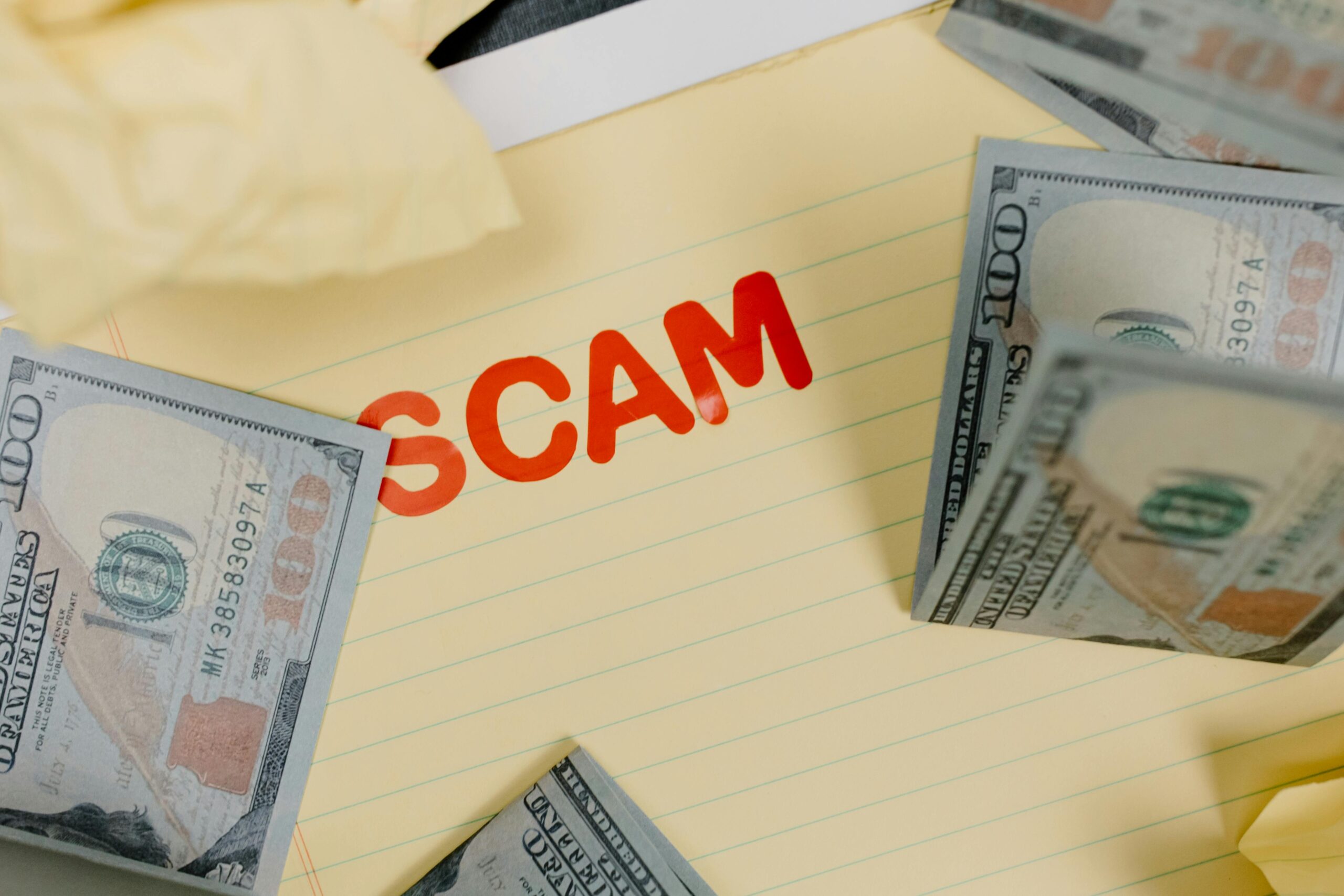
Your Money and Peace of Mind Are Worth Protecting
Urgency tactics will remain a cornerstone of scammer strategy because they’re psychologically effective. However, awareness transforms this weapon into a warning signal. When you feel pressured to act immediately, recognize that feeling as your brain’s alarm system telling you to slow down and think critically.
The few minutes you take to verify, research, and consult others might feel uncomfortable when someone is pressuring you, but that discomfort is infinitely preferable to the lasting harm of a successful scam. Your financial security and emotional well-being depend on your willingness to resist artificial urgency and trust your instincts when something feels wrong.
Stay alert, stay informed, and remember: legitimate opportunities and real emergencies allow time for verification. Anyone who demands you act right now, without question or verification, is trying to scam you. By recognizing urgency tactics for what they are—manipulation tools—you protect not just your money, but your peace of mind and your trust in genuine human connection. Share this knowledge, practice these principles, and help create a community where scammers’ urgency tactics simply don’t work anymore.